By Gauthier Perdereau-Bilski.
Gauthier Perdereau-Bilski portrays the complicated interaction of human rights, security, and economic demands in France’s immigration policy, as well as the constant struggle of integrating immigrants while preserving national identity and values.
In France, immigration policy is at the forefront of a contentious issue, serving as an assessment of the nation’s dedication to human rights and its approach to security. It represents the ongoing challenge of safeguarding human rights while still ensuring secure borders. Prominent political personalities, notably Olivier Faure, as well as influential NGOs such as La Cimade, have emphasised the vital need for more humanitarian and inclusive immigration policies [1]. This brief intellectual work relies on an assortment of legislative papers and scholarly writings, to explore the complexity of this statute while noting its social, economic, and humanitarian implications [2]. The legislation emphasises the political sensitivities and legislative stalemate that frequently define the French political system, demonstrating the difficult nature of immigration policy and its ramifications for government and community peace. These conflicts reflect wider discussions within French society concerning identity, integration, and the country’s position on the world stage, all while managing the delicate equilibrium between “Liberty, Equality, and Fraternity” that is key to the principles and constitution of the French Republic. The immigration bill is more than just a series of laws and regulations; instead, it reflects the nation’s values and the constant battle to reconcile varied and sometimes contradictory goals in a more interconnected world [1].
French immigration policy is frequently seen as a battleground for ideological differences, with the concept of integration vying with exclusionary impulses. According to Thomas Lacroix, the CNRS Director of research in geography, immigration policy should be focused on long-term integration, stressing the need of addressing not only the current political constraints but the nation’s greater social fabric [3]. La Cimade and other human rights groups have frequently pointed out restrictive policies that increase migrants’ hardship while neglecting to provide long-term solutions, highlighting the need for a more humanitarian and comprehensive approach to immigration [1][2].
The efficiency of French immigration legislation is frequently discussed in terms of its economic consequences. According to the High Council on Integration, immigrants benefit the French economy by providing critical skills and encouraging innovation [4]. Similarly, economist Patrick Artus contends that immigration could function as a stimulus for economic growth and demographic renewal, casting doubt on the premise that immigration is a financial burden [5]. However, this beneficial economic impact is predicated on the immigrants’ successful integration and equitable treatment, emphasising the need for policies that are both economically sound and ethically founded. These strategies should lead to official conversations concerning the complex relationship between economic needs and the social realities of migration, to find a mutually beneficial solution for both the nation and asylum seekers.
Immigration’s influence on society extends far beyond economic considerations and is inextricably linked to cultural and humanitarian problems. The French Senate and Assemblée Nationale have held lengthy debates on how immigration rules might foster a more inclusive society, highlighting France’s dedication to humanistic ideals [6][7]. Immigrants contribute significantly to the richness of France’s cultural landscape by bringing new viewpoints and liveliness to local communities. Recognising and valuing immigrants’ unique contributions is critical, emphasising their role in creating social unity and the vitality of French culture and turning away from narratives that present them as a danger to French society.
It is critical to acknowledge the significance of employment dynamics and legal complications in France’s political dispute over immigration. Because the national workforce is not willing to work in certain fields, they are undertaken by immigrants, thus enabling their integration into French society [5]. Dealing with both legal and illegal immigration has substantial repercussions for public policy and national strategy [7]. The idea of non-refoulement is central to international human rights, refugee, humanitarian and customary law. The principle of non-refoulement prohibites the forced return or expulsion of individuals to a country where they may face persecution, torture, or other serious human rights violations. Enforcing appropriate policies, addressing the needs of vulnerable populations within these groups, and differentiating between different types of migration—such as economic migrants seeking better employment opportunities, refugees fleeing persecution or conflict, and individuals seeking family reunification—are all crucial issues. The goal of the French immigration strategy is to put economic interests and national security ahead of the potential violations of the human rights of individual migrants and asylum seekers.
The diversity of opinions and data from legislative reports, academic research, and economic analysis highlight the diverse character of immigration challenges and the importance of a balanced, educated response [2]. France’s adherence to its immigration laws requires a twofold strategy: fighting intolerance and intolerance while working toward a fair and advantageous immigration law that will strengthen France’s national identity. La Cimade contends that “a harmonious immigration strategy paves the way for a prosperous future for everyone in France by marrying security with the universal values of solidarity and fraternity among all people, alongside a steadfast commitment to human rights and inclusivity [1]. This strategy aims to foster a more cohesive and inclusive French society.
Edited by Justine Peries.
References
[1] La Cimade. “Rapport Annuel sur la Situation des Migrants.” 2023. https://www.lacimade.org/la-cimade-english/
[2] Boudié, Florent, and Élodie Jacquier-Laforge. “Rapport Fait Au Nom De La Commission Mixte Paritaire (1) Chargée De Proposer Un Texte Sur Les Dispositions Restant En Discussion Du Projet De Loi Pour Contrôler L’Immigration, Améliorer L’Intégration.” Sénat, 2023, www.senat.fr/rap/l23-223/l23-2231.pdf.
[3] Lacroix, Thomas. “Politiques d’Immigration: Enjeux et perspectives pour la France.” CNRS, 2022.
[4] Pascual, Julia. “What’s in the French Government’s New Immigration Bill?” Le Monde, 1 Feb. 2023, 4:15 pm (Paris). www.lemonde.fr/en/france/article/2023/02/01/what-s-in-the-french-government-s-new-immigration-bill_6014005_7.html.
[5] Artus, Patrick. “La productivité recule en France… par moindre goût de l’effort.” Les Echos, 1 Mar. 2023. www.lesechos.fr/monde/europe/la-productivite-recule-en-france-par-moindre-gout-de-leffort-1357834.
[6] Sénat. “MERCREDI 20 DÉCEMBRE 2023 Questions D’Actualité Convention Internationale (Procédure Simplifiée) Accord France-Luxembourg (Procédure Accélérée) Adaptation Au Droit De L’Union Européenne (Procédure Accélérée).” Sénat, 2023. www.senat.fr/cra/s20231220/s20231220.pdf
[7] Assemblée Nationale. “XVIe Législature Assemblée Nationale Compte Rendu Commission Des Lois Constitutionnelles, De La Législation Et De L’Administration Générale De La République.” Assemblée Nationale, 2023, www.assemblee-nationale.fr/dyn/16/comptes-rendus/cion_lois/l16cion_lois2324027_compte-rendu.pdf.
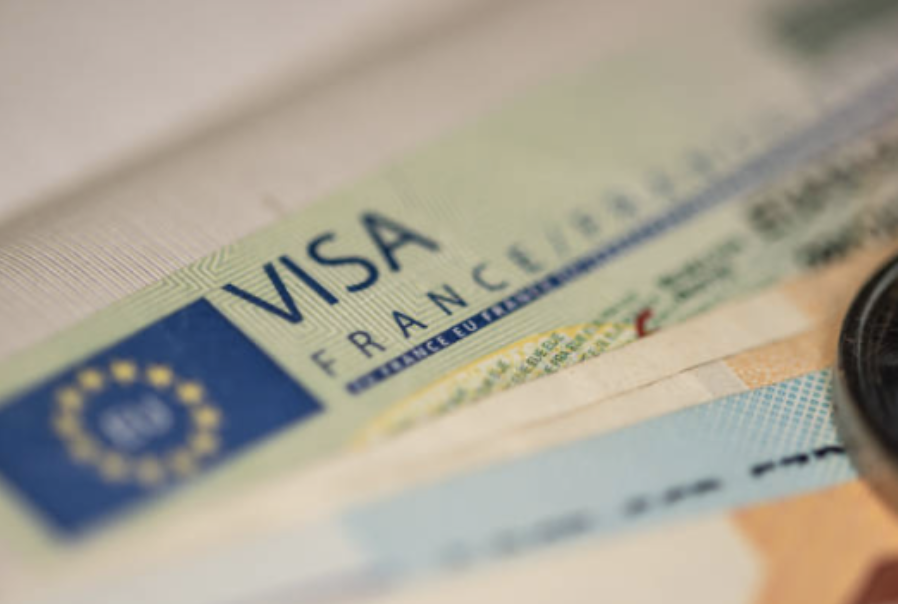
[Cover image] Photo by Aliaksandr Shchutski, 6000 x 4000 px, Stock photo ID: 1204269455, uploaded on February 12, 2020, in Belarus, used under free to use license (free trial).


Leave a comment