By Johanne Viker & Maxim Baumgartel
Attending the World Economic Forum in Davos for the first time, I had little idea of what I was actually attending. Only through a connection in a student society was I able to attend what is regarded as one of the most exclusive forums in the world. I am a Norwegian student currently studying Business Management at a European Business School. My innate interest in cross-border dialogue, cultural exchange, and diplomacy led me to seek out Davos. First only an idea in my mind, I had little idea it could ever come to fruition.
Arriving in Davos, I immediately felt inferior to my peers; fintech founders, tech developers, and investors from both VC and family offices. Attending as a bachelor’s student felt unreal. I didn’t jump at the opportunity to tell anyone, for fear of disregard or loss of interest. What I found when I told my story upfront however, was that people of all backgrounds and industries took an interest. Noticeably, that a young bachelor’s student like myself had attempted- and succeeded, at attending the WEF.
This was later proved to be one of the core beliefs in Davos. Some of the most forward thinkers in their fields – CEOs, investors, politicians, and founders- all want to help each other to get to where they want to go. It’s the notion of co-development and co-creation taking place every year in a single Swiss valley.
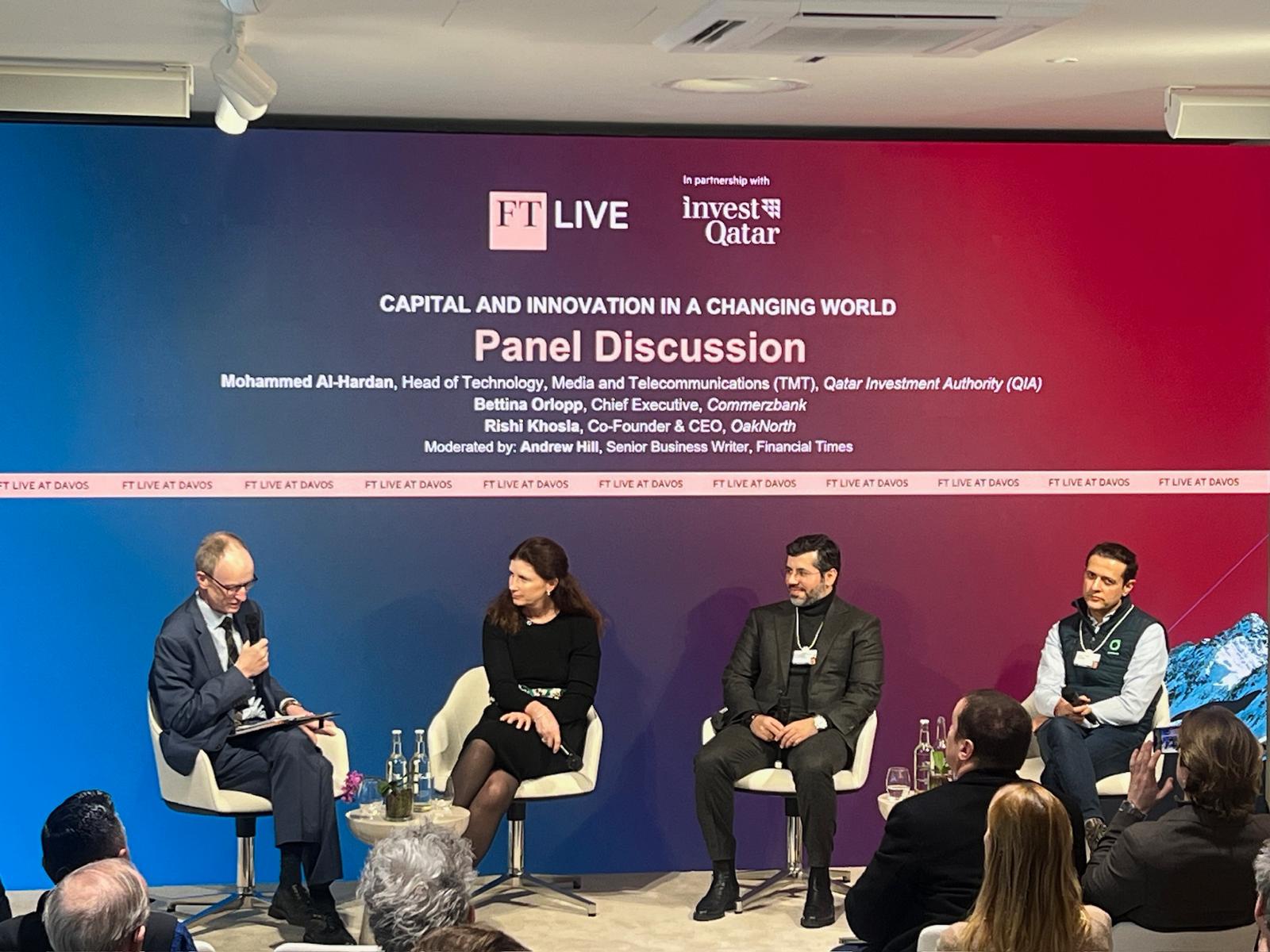
(Panel discussion, WEF Davos, 2025. Image by Johanne Viker)
Why The WEF Exists
This raises the question: why the World Economic Forum exists and how it evolved into the current format? It all started with Klaus Schwab in 1971, when he introduced a platform called the “European Management Forum” [1]. It initially aimed at introducing European companies to American management and business practices. While beginning as a relatively modest convention for business leaders and, through globalisation, intertwined capital flows and supply chains, it gave way for a much broader forum. At its core, it became evident that political, technological and environmental realities cannot be viewed as individual problems and are heavily intertwined. Please note that, “forum”, “WEF” and “Davos” will be used interchangeably in this article.
The forum adapted rapidly. It was rebranded in 1987 to cater to a broader global mandate and integrated public-private co-operations [2]. This change allowed governments, multinationals, startups and civil society organisations to be brought into the same room. The design was deliberate: global interdependence requires cross-sector dialogue.
Observing its initial goal and how it adapted, it becomes clear that the World Economic Forum is not simply a convention or conference, but an attempt at cross-sectional governance. At its core, today’s systemic risks: climate instability, technological disruption, geopolitical fragmentation. Those are not singular and isolated, they are connected on multiple levels and require the dialogue that Davos provides. The WEF opens up to respond faster than a traditional governmental institution through being informal, yet influential and network-driven but partly institutionalised. In recent years, it has also become a mouthpiece for governments to reflect on geopolitical issues, most notably the rift in the new world order with Mark Carney’s address at the latest edition.
Co-Creation as the New Economic Logic
As general consensus at Davos, I heard words synonymous with co-creation, collaboration, and codependence at every panel and during every discussion. Questions like «What field brings you here?», «Where are you from and what do you want to get out of the WEF?», «How might I help you get where you need to go?», and «Whom do I know, that I can put you in contact with?» were present at every discussion.
The WEF’s theme for Davos 2026 was A spirit of Dialogue. It came to fruition as panels discussed how we can create a pro-human future with AI, how we can fund the green transition with technological advancements, and how regenerative farming can benefit female farmers and their children. All topics brought on debate as to how industries can work together cross-industry and cross-border to solve the issues of tomorrow.
In order to create new technologies and create economic value in today’ s market, it is essential to bring novel and profound ideas to the table. The table is Davos and it is a meeting place for people who would most likely never meet elsewhere. But over this table, new ideas are discussed, enabling cross industry ideas to blossom.
Fintech, the intersection between finance and tech is one such example, reimagining what role a bank should play in modern societies. It was raised during a panel on regenerative farming, to demonstrate how minilateralism — smaller, more flexible groups of nations that work together to tackle specific challenges — could allow change to happen rapidly rather than stagnate in the face of heavy, large and inevitably slow institutions.
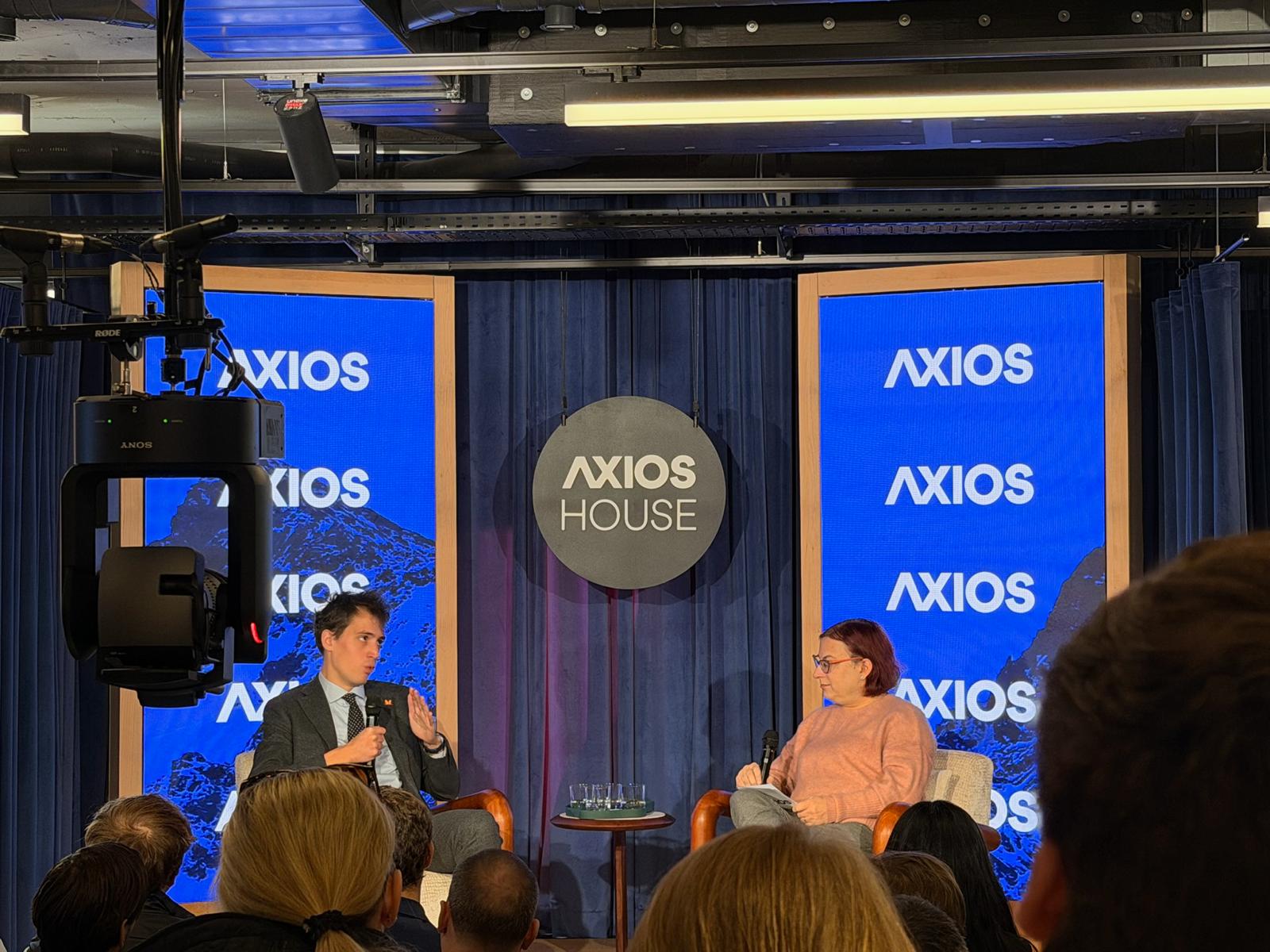
(Axios Panel, WEF Davos, 2025, Image by Johanne Viker)
Climate transition is another such topic that requires increased global co-operation. Only by merging energy, finance, tech, and public policy can the climate transition truly take effect. The discussion itself took form in various ways throughout the week and some of the ideas brought forth might sprout from these talks. From a newcomer’s perspective, this is the overarching benefit of attending the WEF.
For instance, conversations around agriculture, particularly at World Women Davos, emphasised the importance of inclusion and innovation. Women represent a significant share of the global farming workforce yet face persistent barriers in land ownership, financing, and access to resources. Efforts led by organisations such as NASA Harvest showcased how technology can support food security and climate resilience, but also underscored the need for locally adapted, scalable solutions and targeted training.
Lessons From The WEF
Across Davos, one theme cut across nearly every discussion: the inevitable integration of artificial intelligence into the global economy. At Axios’ panel on navigating the finance sector’s technological transformation, there was clear consensus. AI is no longer experimental, it is foundational. Yet this transformation is not without tension. Financial systems, built over decades and shaped by regulation, are not easily changed. As speakers noted, the challenge lies not only in adopting AI, but in changing the ways we work.
Beyond finance, climate-focused sessions highlighted deeper systemic imbalances. At the Climate Hub, supported by the Laudes Foundation, discussions on the “missing middle” in supply chains underscored how small and medium-sized enterprises remain underfunded despite being central to the green transition. Initiatives like the Good Fashion Fund aim to address this gap through longer-term financing, yet different incentives and long and complex supply chains continue to slow the progress.
Finally, discussions at Imagination in Action introduced a more judicial dimension to AI. Yuval Noah Harari warned that the risks of AI are not only technical but societal, arguing for the importance of ensuring that AI remains a tool rather than something human, or with granted autonomy. In this context, global co-operation and universal regulation is not optional but essential.
How the WEF Operationalises Collaboration
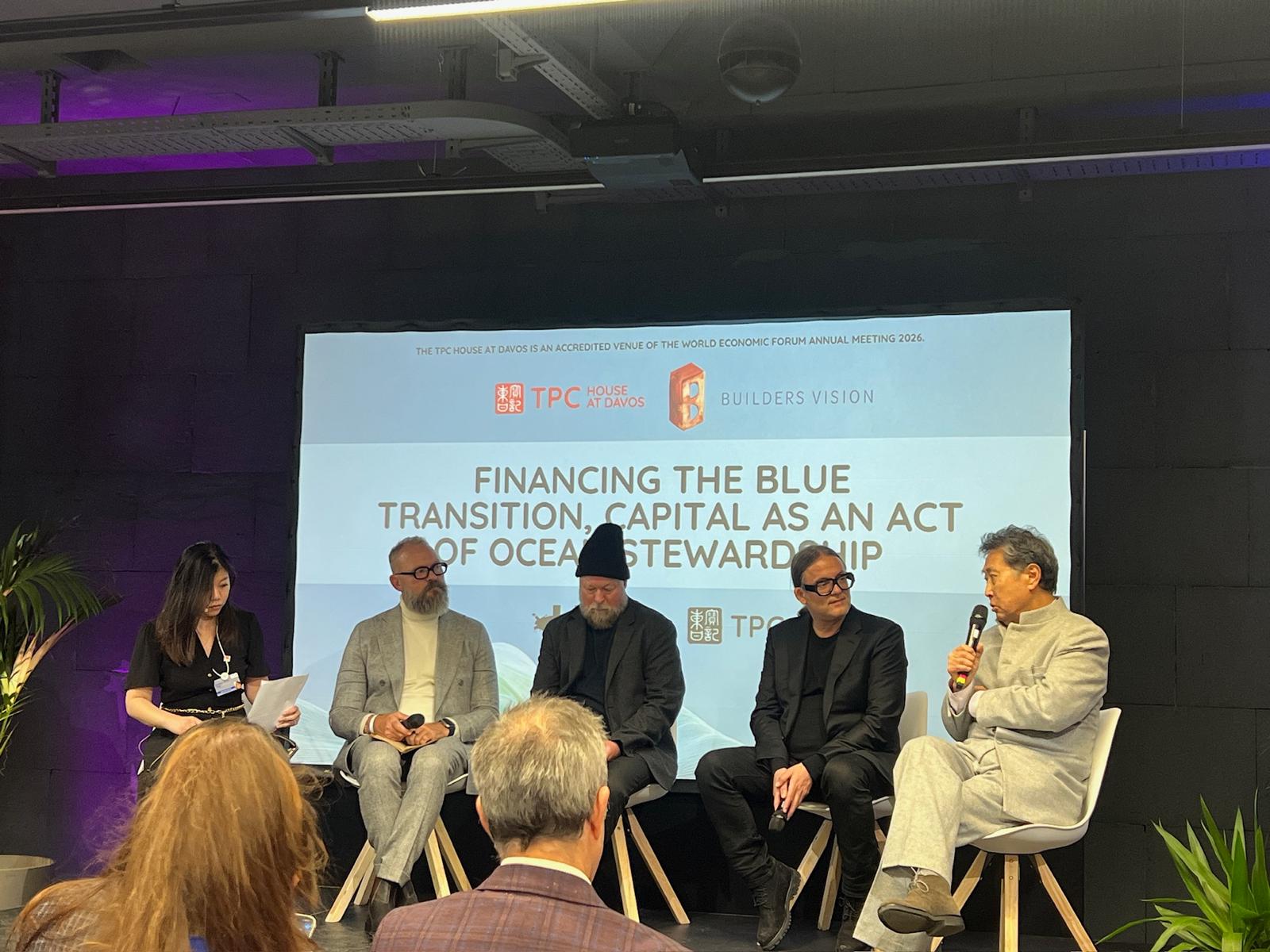
(Panel Discussion, WEF Davos, 2025, Image by Johanne Viker)
The golden ticket of the World Economic Forum is its ability to unite business, politics and institutions in one room and open dialogue for its participants. It serves as a multi-stakeholder platform spanning nearly all operational sectors. Through ESCP’s participation in the Global Leadership Programme, I gained direct insight into current opportunities. At the heart of the initiative is the Annual Meeting, which features high-profile, invitation-only sessions complemented by the public events of the Open Forum. Besides this, public and private events are hosted by many of the world’s largest and most important actors at flagship locations. BlackRock, Google, and Axios included. Family offices and Country-houses also take up residence. Participation works through networks for more exclusive events, while speaking to anyone on the street is the norm.
Another significant portion of the WEF is its community model. The Forum engages young leaders through two primary networks: the Global Shapers, a hub-based initiative focused on social leadership and innovation, and the Young Global Leaders, the WEF’s flagship academic venture which counts several prominent political figures among its alumni. Across these platforms, social capital remains the primary currency of operations.
Being based in Davos, Switzerland, in the middle of high-reaching mountains, the forum serves as a neutral convening ground. The canton of Davos and Switzerland retracts from formal positions on the participation of certain figures and give way for a summit that does not carry national interests of the host country. It is directly through this lack of regulatory power that it welcomes conversations that might be politically sensitive elsewhere. It can break the boundaries of institutions and directly for cross-border dialogues. This does not mean that every initiative is successful, but it is essential to open this dialogue and make discussion as simple as possible. It becomes clear that collaboration requires infrastructure. Davos provides this infrastructure.
Interlude: A Collaborative Piece About Collaboration
In the spirit of co-creation, we collaborated on this piece to demonstrate how intellectual quality is enhanced when multiple perspectives intersect. While only one of us attended Davos, this article is the result of our shared efforts and could only have come to fruition through our collaboration.
From the initial logistics of attending Davos to the final day of participation, the WEF offered unique and valuable perspectives on the most pressing challenges of tomorrow. The opportunity for three students to take part in such a prominent global forum, supported by ESCP, and to engage with leaders across sectors and geographies, was both insightful and motivating.
Through the Global Shapers community, a select group of 40 young participants is invited to attend the WEF. Yet, this experience also underscored the importance of expanding youth representation further. While the gathering of global leaders in the Swiss Alps can sometimes seem removed from everyday realities, the conversations on the ground suggested otherwise: youth perspectives were not only welcomed but actively considered. Looking ahead, broadening access to a more diverse and representative group of young voices will be essential. Ensuring that those who will shape the future are present in these conversations is not just valuable, it is necessary.
What This Means Going Forward
While I first arrived at Davos with a misconception of my own role and place, I was quickly taught by my peers that my insights and perspectives are valuable. Having little experience in business also allowed me to bring new viewpoints. Not only was I able to raise questions and add value to discussions, it was appreciated that I did so. I left with many positive encounters and future prospects hanging in the air, cross industry connections, and profound ideas.
The culture of co-creation underpins industries only because it is first established between leaders, founders, and investors. These actors are driven by a shared desire to drive positive change, directly supporting where possible and leveraging their networks to provide access where they cannot. Industries transform in the very same way. It’s a question of how certain sectors need to come together to innovate and develop novel solutions to humanity’s biggest challenges.

(Davos at night, WEF Davos, 2025, Image by Johanne Viker)
References
[1] Pigman, G.A. (2006) The World Economic Forum: A Multi-Stakeholder Approach to Global Governance. London: Routledge.
[2] World Economic Forum (2010) The World Economic Forum: A Partner in Shaping History – The First 40 Years (1971–2010). Geneva: World Economic Forum. Available at: https://www3.weforum.org/docs/WEF_First40Years_Book_2010.pdf (Accessed: 22 March 2026).
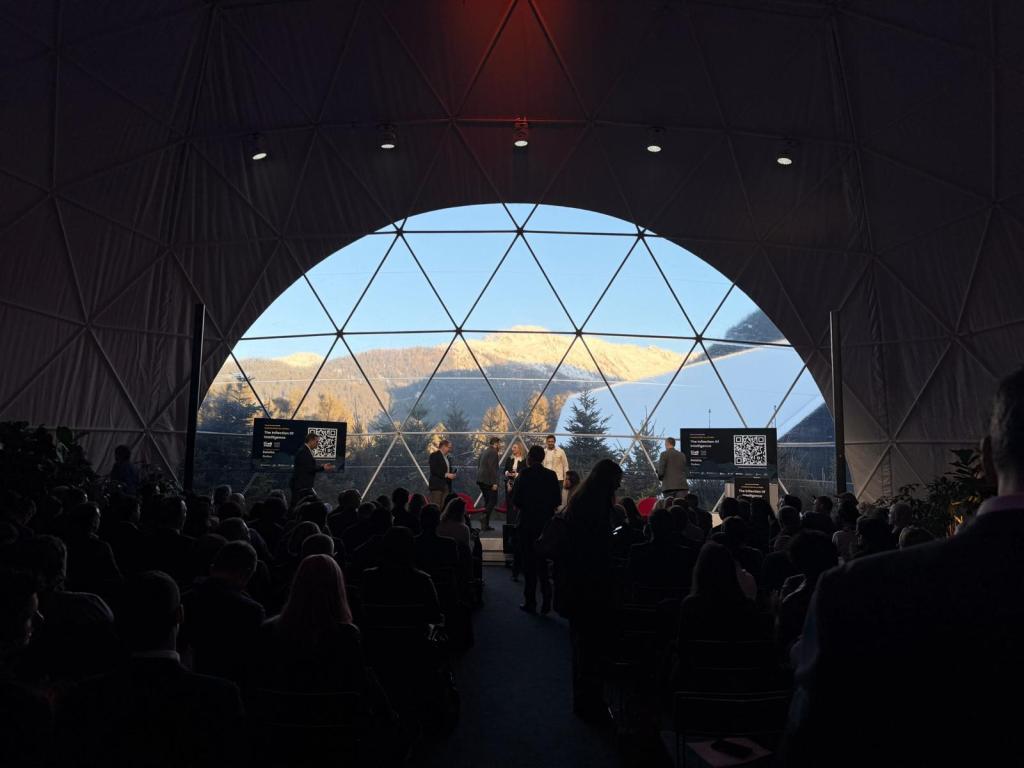
[Cover Image] Panel discussion, WEF Davos, 2025, Image by Johanne Viker.


Leave a comment